Occupational Therapy for Autism
Parents often search for occupational therapy for autism when everyday life feels harder than it needs to be — dressing, handwriting, busy classrooms, sensory overload, or joining in play. This guide explains how OT can support autistic children with functional skills and participation. It is educational, not a diagnosis or treatment promise.
New to OT in general? Start with What Is Occupational Therapy?. Clinic services and next steps are covered toward the end of this page.
What Is Occupational Therapy for Autism?
Occupational therapy for autism means using OT approaches to support an autistic child's ability to take part in the activities of childhood — play, learning, self-care, and family and school routines. In OT, “occupation” means those everyday activities, not a job.
The aim is functional participation and greater comfort or independence where challenges get in the way. Occupational therapy does not cure autism, treat an underlying “cause” of autism, or promise a specific developmental outcome. Autistic children have different profiles; support is individualized.
Areas OT may address include daily activities, sensory processing, fine motor and hand skills, handwriting, visual-motor skills, play, school participation, self-care, motor planning, and functional independence — when those areas are relevant for that child.
How Can Occupational Therapy Help Autistic Children?
Occupational therapy can work on the practical skills that help an autistic child participate more successfully day to day. Depending on assessment findings, OT may support:
- •More comfortable responses to sensory experiences that affect routines
- •Fine motor and hand skills for play, writing, and classroom tools
- •Self-care and daily living skills such as dressing or using utensils
- •Participation in play, classroom activities, and everyday routines
- •Motor planning — organizing the steps of a new or multi-step task
Progress looks different for every child. Therapy aims to support skills and participation; it does not guarantee improvement or replace other supports a family may need.
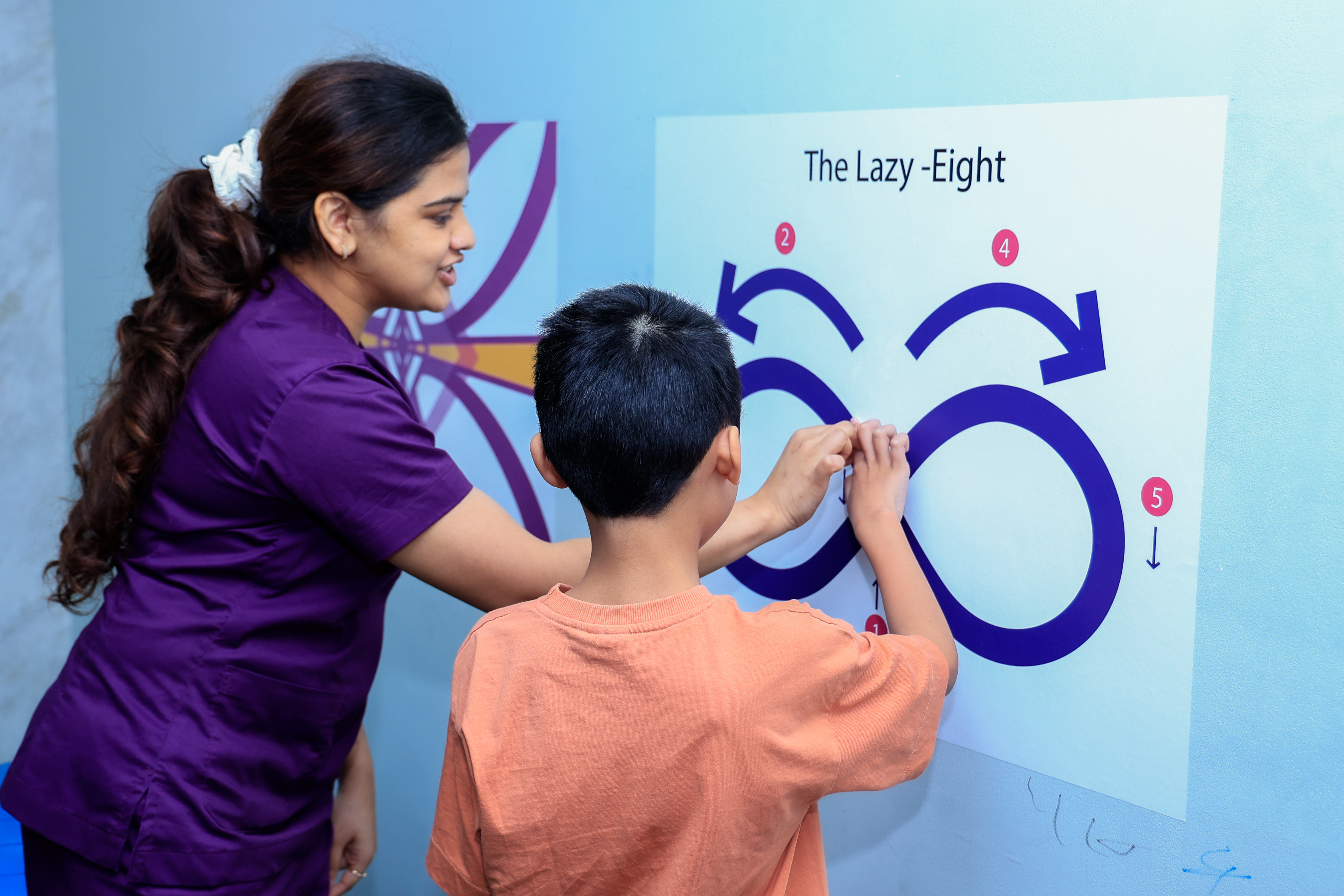
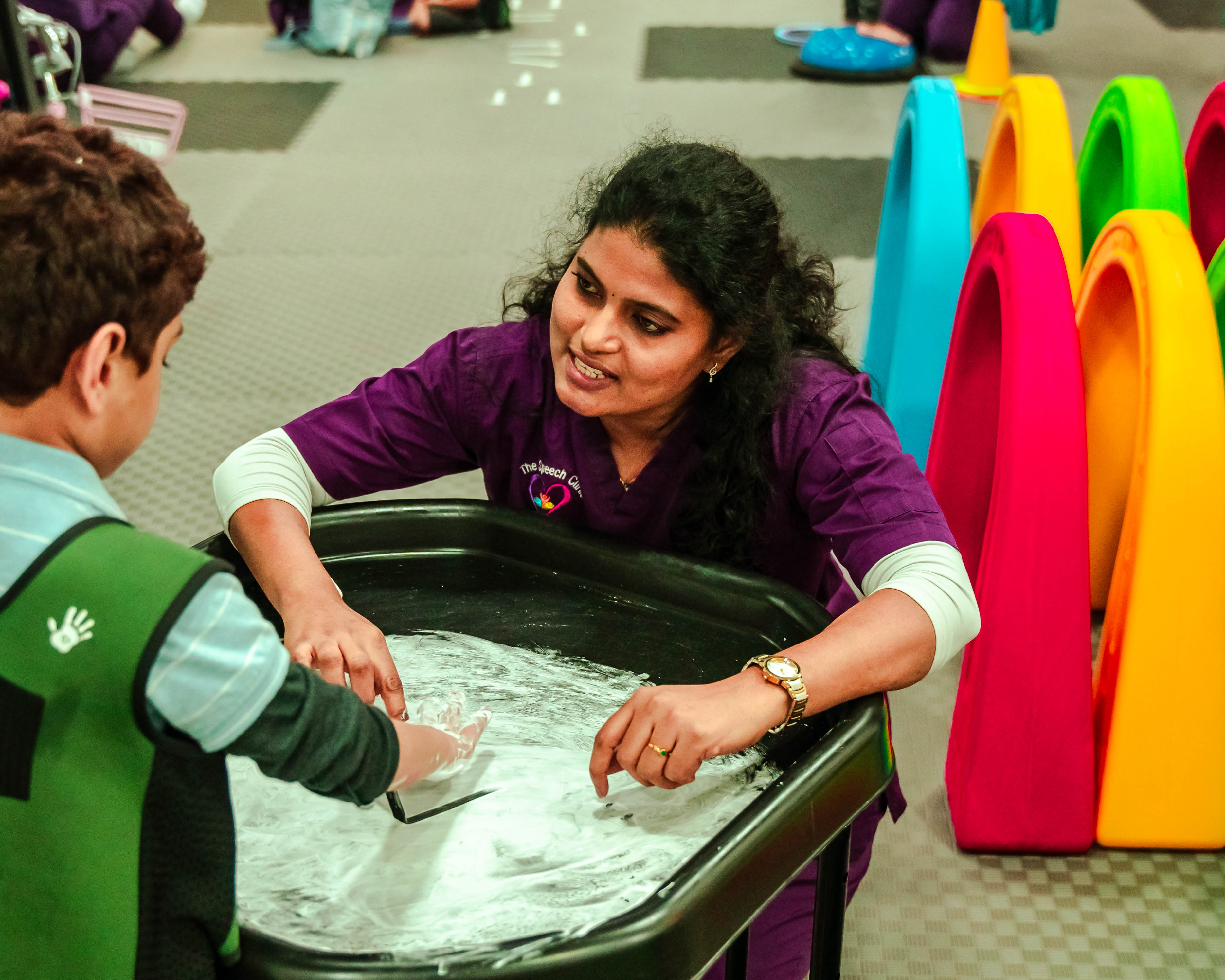
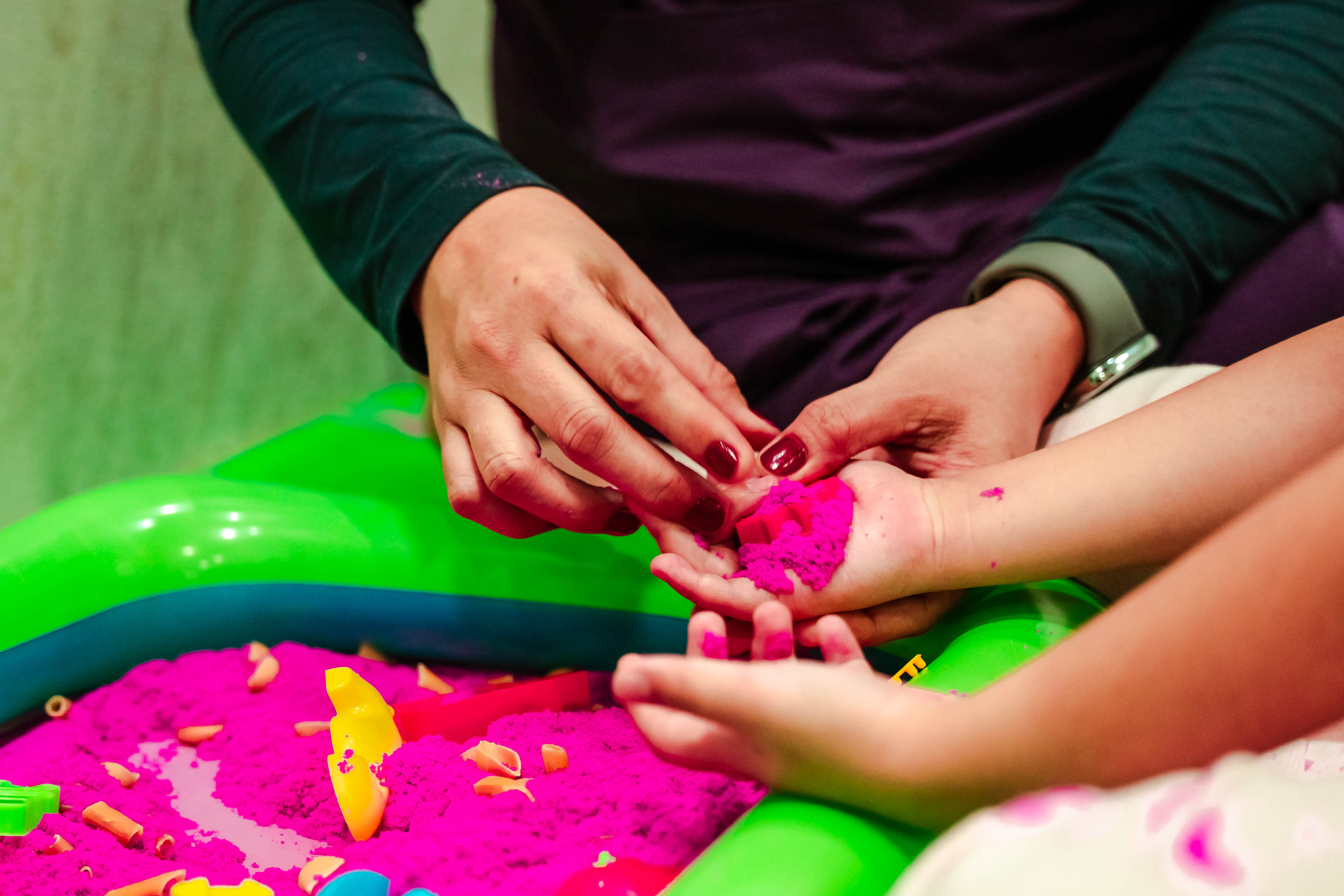
Occupational Therapy and Sensory Processing
Many autistic children experience sensory differences — for example, strong reactions to sound or touch, a need for movement, or difficulty regulating sensory input in busy environments. Those differences can make dressing, mealtimes, classrooms, or community outings harder.
Occupational therapists often look at how sensory responses affect daily participation and may suggest environmental changes, routine strategies, or play-based activities matched to the child's profile. Sensory integration is one approach sometimes used within OT; it is not a universal treatment for autism, and not every autistic child needs a sensory-focused plan.
For a parent-focused overview of sensory challenges (including how they relate to autism without equating the two), see sensory processing difficulties.
Occupational Therapy for Fine Motor and Hand Skills
Fine motor and hand skills include grasp, hand coordination, dexterity, and manipulating objects for drawing, writing, fastening clothes, and classroom tools. When these skills are effortful, schoolwork and self-care can feel frustrating even when a child understands the task.
An occupational therapist can assess contributing factors — motor control, visual-motor integration, posture, attention, or sensory preferences — and support practice that fits the child. When fine motor difficulties are the main concern, see our fine motor skills page for how that support is approached at the clinic.
Occupational Therapy for Daily Living Skills
Activities of daily living (ADLs) — dressing, grooming, using utensils, toileting-related independence, and organizing everyday routines — are a core focus of pediatric OT. For some autistic children, sensory preferences, motor planning, or sequencing make these routines especially demanding.
OT can work on the skills and strategies that make routines more manageable for the child and family. Expectations should match the child's age, profile, and goals — not a rigid checklist.

Occupational Therapy for School and Play
School and play are central childhood occupations. OT may support participation in classroom activities, handwriting and tool use, play with peers or materials, following routines, and motor-based tasks. When attention or regulation affects participation, therapists may also address how the environment and task demands fit the child.
OT aims to support the skills that help a child join in — not to guarantee higher grades or academic outcomes. Goals are practical and individualized.
Occupational Therapy vs Other Therapies for Autism
Autistic children may receive more than one type of support. Therapies address different needs and often work best when goals are coordinated rather than competing.
Occupational therapy
Daily functioning, sensory processing, fine motor skills, self-care, play, and participation in home and school routines.
Speech and language therapy
Communication, language, speech, social communication, and feeding-related support when clinically appropriate.
Physical therapy
Movement, strength, balance, mobility, and physical function.
When communication or movement needs are primary, families may also explore speech therapy for autism, speech and language therapy, or physical therapy. Some also use behavioral supports such as ABA therapy. Those are different types of support from occupational therapy. This page stays focused on how OT can help with everyday participation.
When Might a Child Benefit From Occupational Therapy?
Consider OT when functional difficulties regularly affect daily life — not solely because a child is autistic. Examples include:
- •Difficulty with everyday tasks or self-care routines
- •Sensory challenges that limit participation at home or school
- •Fine motor or handwriting difficulties that persist despite practice
- •Challenges joining play or classroom activities
- •Motor-planning difficulties with multi-step tasks
Not every autistic child needs occupational therapy. Assessment helps clarify whether OT is a useful next step.
What Happens During Pediatric Occupational Therapy?
While every plan is individualized, pediatric OT typically includes:
- •Assessment — understanding how the child manages sensory, motor, and daily living demands
- •Functional goals — priorities that matter to the child and family at home and school
- •Therapy activities — often play-based and matched to those goals
- •Caregiver involvement — strategies that can be used outside the clinic
- •Progress monitoring — adjusting the plan as needs change
Exact session structure depends on the child and the clinic pathway recommended after evaluation.
Occupational Therapy for Autism at The Speech Clinic Dubai
The Speech Clinic is a multidisciplinary pediatric therapy center in Dubai Healthcare City. Our occupational therapy team supports children — including autistic children — with sensory processing, motor skills, daily living activities, and related participation goals, working alongside families and other therapy disciplines when helpful.
This page is educational. For service details, local clinic information, and how to begin, visit our occupational therapy services page, or contact us to discuss whether an assessment is a good next step.
Frequently Asked Questions About Occupational Therapy for Autism
Occupational therapy for autism focuses on helping autistic children take part in everyday activities that matter — play, learning, self-care, and routines at home and school. It supports functional skills and participation. It does not cure autism or change a child's neurotype.
OT may support sensory processing, fine motor and hand skills, handwriting, daily living skills such as dressing or using utensils, play, school participation, and motor planning. Goals are based on what is hard for that child in real life — not on a one-size-fits-all plan.
Yes. Many autistic children experience sensory differences that affect comfort and participation. Occupational therapists may assess how sensory responses show up in daily routines and suggest strategies for home, school, and play. Sensory support is one possible focus within OT — not a universal autism treatment.
Yes. Fine motor skills — grasp, hand coordination, and tool use — often affect writing, drawing, fasteners, and classroom tasks. An occupational therapist can work on the skills that get in the way of those activities.
No. Autistic children have different strengths and support needs. OT is worth considering when sensory, motor, self-care, play, or school participation challenges regularly limit daily life — not simply because a child is autistic.
An OT typically assesses how the child manages everyday tasks, identifies functional goals with the family, and uses play-based activities and practical strategies. Caregivers are usually involved so skills can carry over into home and school routines.
Speech and language therapy focuses on communication — speech, language, social communication, and related areas. Occupational therapy focuses on daily functioning: sensory processing, motor skills, self-care, play, and participation. Many autistic children receive both when needs overlap.
Physical therapy often emphasizes gross motor skills such as strength, balance, posture, and mobility. Occupational therapy emphasizes how a child uses skills to participate in meaningful daily activities. Some children benefit from both.
Explore Occupational Therapy Services
If this guide helped you understand how occupational therapy can support autistic children, continue to our occupational therapy service page — or get in touch to discuss an assessment in Dubai Healthcare City.
Prefer to call? +971 50 885 7146