What Is Occupational Therapy?
If you are a parent wondering what occupational therapy is, what an occupational therapist does, or whether OT might help your child with daily skills, sensory needs, or school tasks — this guide is for you. It explains occupational therapy in clear, practical language, with a focus on how it supports children. Clinic services and next steps are covered toward the end of the page.
What Is Occupational Therapy?
Occupational therapy is a health profession that helps people participate in the everyday activities — or “occupations” — that give life meaning and structure. For adults, that might mean work, cooking, or managing a household. For children, occupations look different: playing with friends, learning at school, dressing, eating, writing, and exploring the world.
Pediatric occupational therapy focuses on the skills children need to join in those activities as independently and comfortably as possible. It is not about finding a child a job. It is about supporting the building blocks of daily life — movement, sensory processing, attention to task, and practical self-care — so participation feels more achievable.
What Does an Occupational Therapist Do?
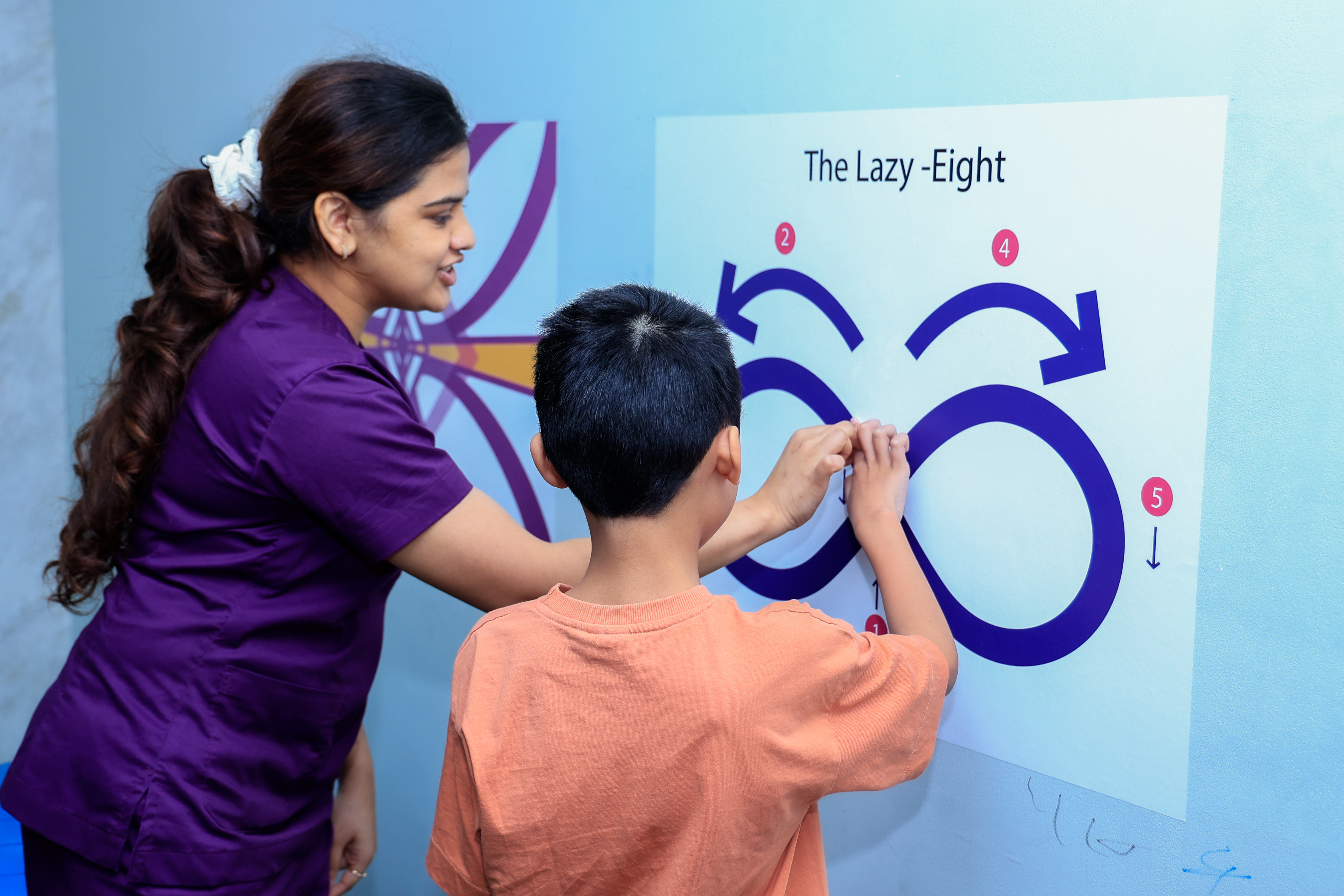
An occupational therapist observes how a child approaches everyday tasks and what makes those tasks harder. They may assess motor skills, sensory responses, visual-motor coordination, and how routines unfold at home or school. From there, they work with families on goals that matter in real life — not abstract exercises alone.
In pediatric practice, areas an occupational therapist may address include:
Fine motor skills and hand coordination
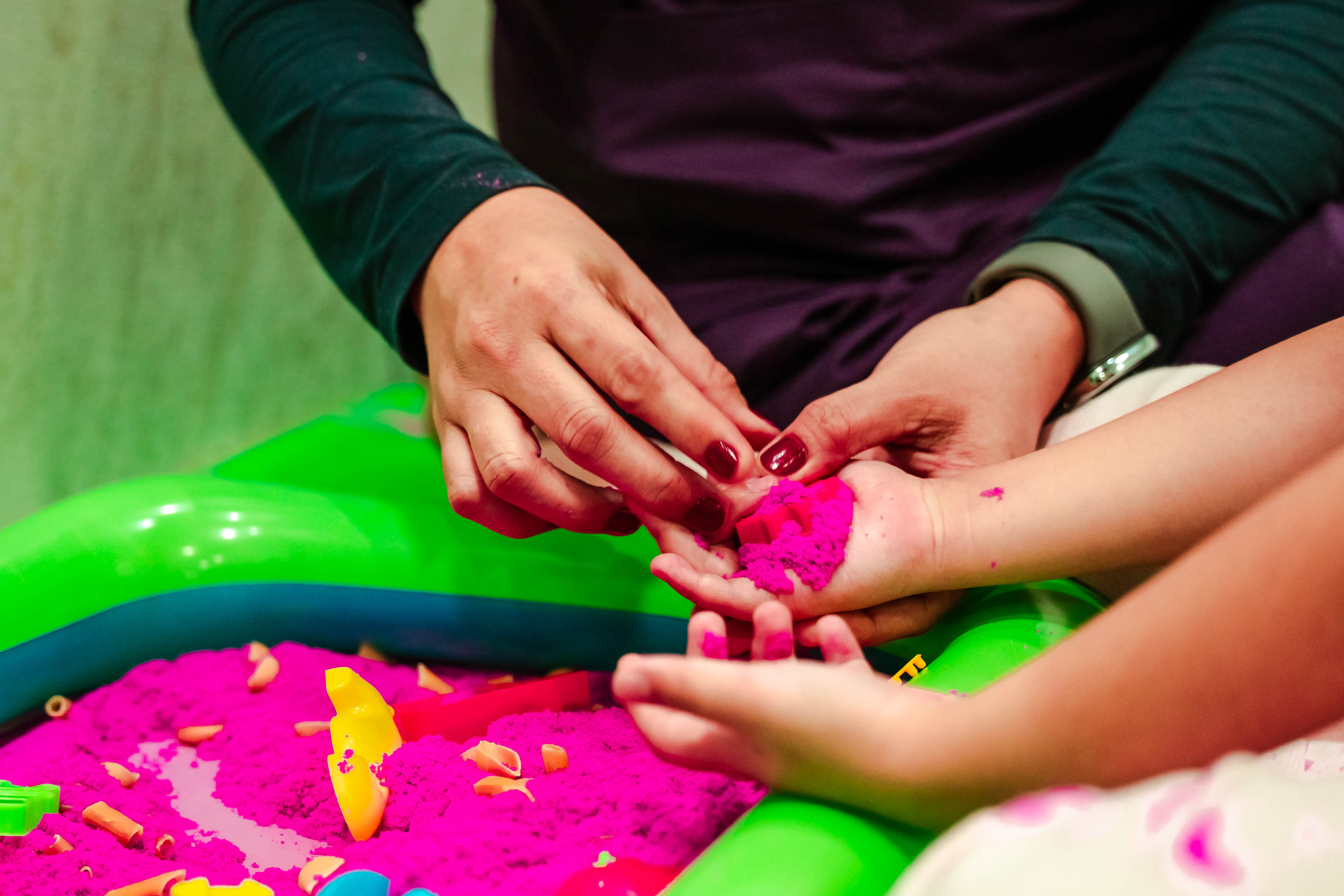
Using the hands for grasping, manipulating small objects, fastening clothes, and tool use in play or classroom tasks.
Sensory processing
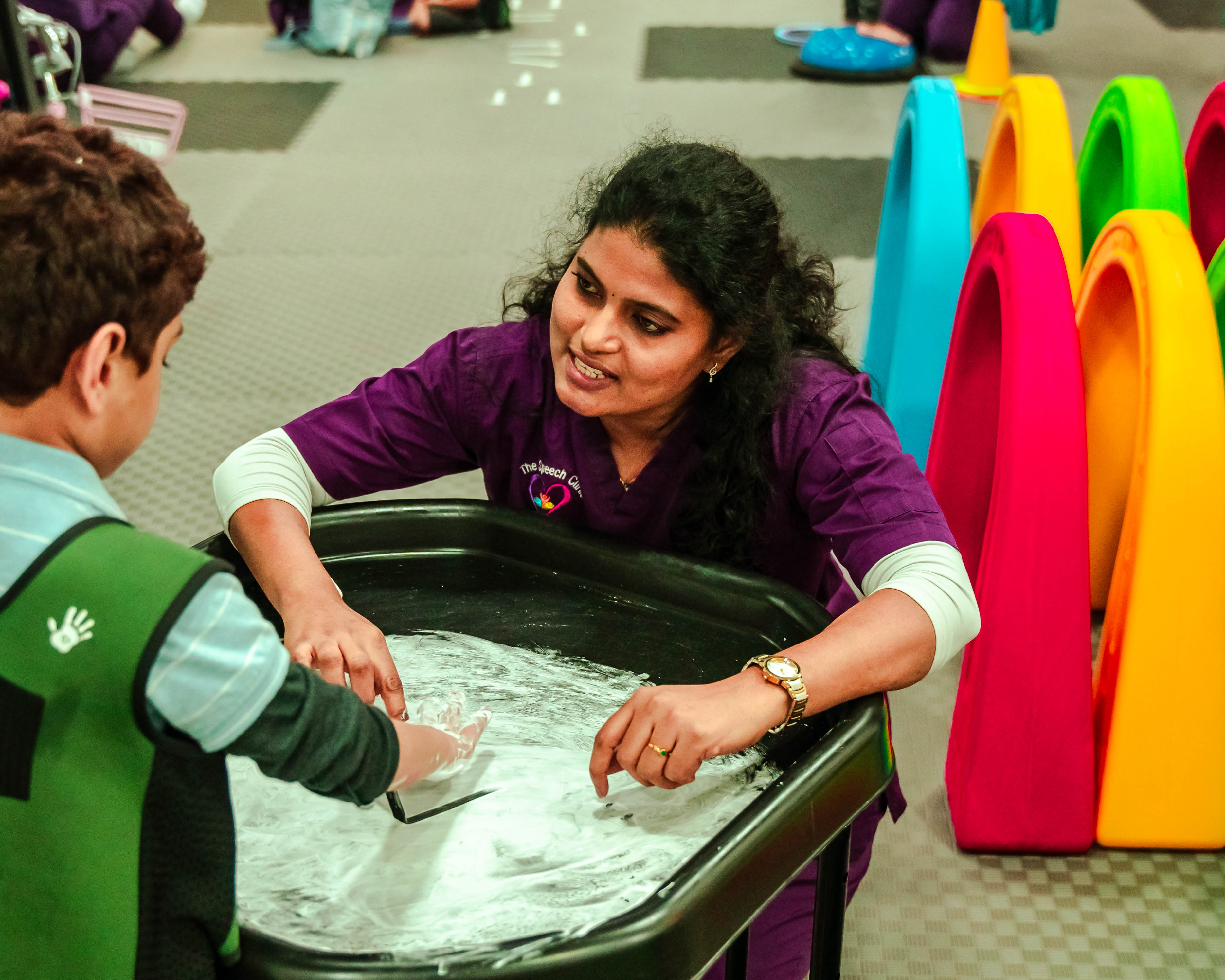
How a child responds to touch, sound, movement, and other input — and how that affects comfort and participation.
Visual-motor skills
Coordinating what the eyes see with what the hands do, which supports drawing, cutting, writing, and many play skills.
Handwriting
Pencil control, letter formation, spacing, and the physical endurance needed for written work.
Self-care and ADLs
Everyday routines such as dressing, feeding, grooming, and toileting — the activities of daily living.
Play, school, and motor planning
Joining in play, managing classroom demands, and organizing the steps of a new or multi-step task.
Sessions are often play-based. The therapist may also suggest changes to the environment, tools, or daily routines so skills carry over beyond the clinic.
What Are the Benefits of Occupational Therapy?
The benefits of occupational therapy depend on each child's needs and goals. Families commonly look to OT for support with:
- •Greater independence in self-care and daily routines
- •More comfortable responses to sensory experiences in busy environments
- •Stronger fine motor and hand skills for play, writing, and classroom tools
- •Clearer strategies for home and school so progress is not limited to therapy sessions
Progress looks different for every child. Occupational therapy aims to support participation and skill development; it does not guarantee a particular result or replace medical care when that is needed.
Different Types of Occupational Therapy
Different types of occupational therapy usually reflect who is being served and which daily activities matter most. OT is used with children, adults recovering after illness or injury, older adults, and people returning to work. Settings can include clinics, hospitals, schools, and community programs. This guide focuses on pediatric occupational therapy — helping children take part in play, learning, and self-care.
Within pediatric OT, therapists may address overlapping areas of need. These are focus areas, not separate products or a menu of guaranteed clinic offerings:
- •Fine motor and hand skills — grasp, coordination, and tool use for everyday tasks
- •Sensory processing — how children register and respond to touch, sound, movement, and other input
- •Handwriting and visual-motor skills — connecting what the eyes see with what the hands do
- •Activities of daily living (ADLs) — dressing, feeding, grooming, and other self-care routines
- •Play and school participation — joining in with peers, classroom routines, and learning tasks
Which areas matter for a particular child depends on assessment. Not every child needs support in every area, and clinics differ in the approaches they use.
Occupational Therapy vs Physical Therapy
Parents often ask how occupational therapy differs from physical therapy. Both support children's development, but they emphasize different goals.
Physical therapy
Often focuses on gross motor skills — strength, balance, posture, walking, running, and overall movement quality.
Occupational therapy
Focuses on how a child uses skills to participate in daily activities: play, self-care, handwriting, sensory comfort, and school or home routines.
Some children need both. For example, physical therapy may support core strength and walking, while occupational therapy supports dressing, fine motor tasks, or sensory regulation. Learn more about physical therapy at The Speech Clinic if gross motor development is your main concern.
Occupational Therapy and Hand Therapy
Hand therapy is a specialized area that often focuses on recovery of hand and upper-limb function after injury, surgery, or specific orthopedic conditions. It may be provided by occupational therapists or physical therapists with additional hand-therapy training.
Pediatric occupational therapy can include fine motor and hand skill development for everyday childhood tasks — grasping, fastening, tool use, and handwriting. That is related to hand function, but it is not the same as specialist hand therapy for medical or post-surgical hand conditions. If your child needs hand-skill support within daily activities, pediatric OT may be relevant; specialist hand therapy questions are best discussed with an appropriately trained clinician.

How Occupational Therapy Can Work Alongside Medical Care
Occupational therapy often works alongside medical care rather than instead of it. Pediatricians, specialists, and therapists may share information so a child's motor, sensory, and daily-living needs are understood in context — including any medical factors that affect energy, comfort, or participation.
In a multidisciplinary setting, OT may be coordinated with speech therapy, physical therapy, or other supports when needs overlap. That kind of shared planning helps families avoid conflicting advice and keep goals practical. Occupational therapy does not diagnose medical conditions or replace physician care. When medical concerns arise during assessment, families are encouraged to follow up with the appropriate medical professional.
Who Can Benefit From Pediatric Occupational Therapy?
Children may benefit from pediatric occupational therapy when difficulties with daily skills, sensory processing, or motor coordination regularly affect participation. Families often seek support related to:
- •Sensory processing challenges that limit routines or comfort — see sensory processing difficulties
- •Fine motor delays affecting play, fasteners, or classroom tools
- •Handwriting or visual-motor difficulties
- •Challenges with self-care and activities of daily living
- •Developmental differences where participation in play, self-care, or learning is a main concern — including autistic children who may benefit from occupational therapy for autism
This list is not a diagnosis tool. Only a qualified professional can assess your child and recommend whether OT is appropriate.
When Should a Child See an Occupational Therapist?
Consider speaking with an occupational therapist when:
- •Motor, sensory, or self-care difficulties regularly limit home, school, or play
- •Handwriting, dressing, or utensil use remains unusually hard for your child's age despite practice
- •Sensory responses cause frequent distress or major family stress
- •A teacher, pediatrician, or another therapist suggests an OT perspective
Early questions do not mean something is “wrong.” An assessment can simply help you understand what is getting in the way and what support, if any, fits.
Occupational Therapy at The Speech Clinic Dubai
The Speech Clinic is a multidisciplinary pediatric therapy center in Dubai Healthcare City. Our occupational therapy team supports children with sensory processing, motor skills, daily living activities, and related participation goals — working alongside families and, when helpful, other therapy disciplines.
This page is educational. For details on how services are delivered, who we support, and how to begin, visit our primary occupational therapy services page. You can also meet our occupational therapists.
Ready to talk about your child? Contact us to discuss whether an occupational therapy assessment is a good next step.
Frequently Asked Questions About Occupational Therapy
Occupational therapy helps people take part in the everyday activities that matter to them. For children, those “occupations” often include play, learning, self-care, and joining in at home and school. Pediatric occupational therapists look at how sensory processing, motor skills, and daily routines work together — then support skills that make participation easier.
An occupational therapist assesses how a child manages daily tasks and what gets in the way. They may work on fine motor skills, handwriting, sensory regulation, visual-motor skills, self-care, play, or school participation. Therapy is usually play-based and practical, with strategies families can use outside the clinic.
Benefits depend on the child and their goals. Families often seek OT to support independence in dressing or feeding, more comfortable sensory responses, clearer handwriting or hand skills, and easier participation in play or classroom routines. Therapy aims to build useful skills — it does not promise a specific outcome for every child.
Pediatric OT may help with fine motor coordination, sensory processing, handwriting, visual-motor skills, activities of daily living (ADLs), play, motor planning, and school-related participation. The right focus comes from assessment, not from a generic checklist.
Physical therapy often focuses on movement, strength, balance, and gross motor skills such as walking, running, or posture. Occupational therapy focuses more on how a child uses those abilities — and other skills — to do meaningful daily activities. Many children benefit from both when needs overlap. Learn more about physical therapy at The Speech Clinic.
OT can look different depending on age, setting, and goals — for example, pediatric, adult rehabilitation, or workplace support. In pediatric settings, therapists often address overlapping areas such as sensory processing, fine motor and hand skills, handwriting, visual-motor skills, daily living activities, and school participation. These are focus areas rather than fixed service packages; what a child needs is determined through assessment.
Yes — when sensory patterns affect daily life, occupational therapy is often involved in assessment and support. OT looks at how sensory responses affect dressing, eating, play, school, and family routines. For a parent-focused overview, see our guide on sensory processing difficulties.
Handwriting difficulties can relate to fine motor control, pencil grasp, visual-motor integration, posture, attention, or sensory factors. An occupational therapist can help identify contributing skills and support practice that fits the child. See our handwriting service page for how this is approached at the clinic.
Consider an OT evaluation when difficulties with motor skills, sensory responses, self-care, handwriting, play, or school participation regularly limit daily life — or when you are unsure what is getting in the way. You do not need a formal diagnosis first. Contact The Speech Clinic to discuss whether an assessment is appropriate.
Explore Occupational Therapy Services
If this guide helped you understand occupational therapy and you want to know how our team in Dubai Healthcare City can support your child, continue to our occupational therapy service page — or get in touch to discuss an assessment.
Prefer to call? +971 50 885 7146