When is the UAE winter break in 2026, and why does it matter for therapy?
Most UAE schools break from Monday 14 December 2026 to Sunday 3 January 2027 and reopen on Monday 4 January, under the Ministry of Education's unified calendar.
This year's break is three weeks, one week shorter than last year's. For children in speech, occupational, behaviour or physical therapy, school and therapy timetables usually sit side by side. When school stops, family routines change too: late nights, visitors, malls, travel. A little planning keeps the skills your child has been building in everyday use.
2 – 4 Dec
National Day break
A short rehearsal for holiday routines
Fri 11 Dec
Last school day
Collect your home plan this week
Mon 14 Dec
Winter break starts
Three weeks, 21 days
Sun 3 Jan
Break ends
Ease back into school-day timings
Mon 4 Jan
Schools reopen
Plan a settle-back session
Dates from the Ministry of Education's unified calendar. Sharjah private schools and some other curricula publish their own dates.
What should you ask your child's therapist before the break?
Ask for two or three clear home goals, the activities that practise them, and what to do if a skill seems harder after time away.
- 1Which two or three goals matter most over the holidays, in plain words?
- 2Which everyday routines can we use to practise them?
- 3What would good progress look like after three weeks?
- 4Should my child keep coming in, take a rest, or try a short intensive?
- 5Can I have the plan in writing, with pictures if that helps my child?
- 6What should I note down if something changes while we are away?
The National Day break from 2 to 4 December is a useful dry run. Notice which parts of the day were hardest and bring that to your next session.
How much home practice is enough over the holidays?
Short moments inside daily routines usually work better than long sit-down sessions, because your child practises in the real places where the skill is needed.
A greeting at the door, a choice at breakfast or a few minutes of heavy work before an outing all count. Small and regular beats big and rare, which is the idea behind our article on why repetition matters more than perfection. Your child's therapist can tell you how often to use each activity.

Build your family's 3-week plan
Choose what your child is working on and how long you will be in Dubai. You will get a week-by-week list of short activities and a suggested next step.
Winter break plan builder
Week 1
14 – 20 Dec
Settle into the holiday
In Dubai: steady routine
- Narrate one daily routine, like bath time, in short phrases and pause so your child can add a word.
- Offer two choices at snack time and wait a few seconds before you help.
This week: Keep wake-up and meal times close to school days for the first few days.
Week 2
21 – 27 Dec
Keep skills in everyday use
In Dubai: steady routine
- Read the same picture book each night and let your child finish the lines they know.
- Play 'what's in the bag?' with holiday objects to name and describe.
This week: Meeting family or visitors? Show photos of who your child will see before you go.
Week 3
28 Dec – 3 Jan
Get ready for school
In Dubai: steady routine
- Narrate one daily routine, like bath time, in short phrases and pause so your child can add a word.
- Offer two choices at snack time and wait a few seconds before you help.
This week: Move bedtime and wake-up back toward school times over the last few days.
A short intensive could fit your break
You will be in Dubai for at least two weeks. The clinic's 2 to 3 week Short-Term Boost programs offer daily one-on-one sessions with weekly goal reviews. Ask the team whether it suits your child.
Explore intensive programsBook the settle-back week
Schools reopen on Monday 4 January 2027. A session that week helps your child's therapist see what has changed and plan the new term.
These are general ideas. Your child's therapist can tell you which ones fit their goals.
Travelling over the break with sensory or communication needs?
Prepare the journey in pictures, pack your child's regulation and communication tools, and use the support Dubai's airport already offers.
Sunflower lanyard
Dubai Airports offers the Hidden Disabilities Sunflower lanyard at its terminals. It signals that someone in your group may need extra time and gives access to priority lanes and an autism-friendly route.
Certified airport and airline
Dubai International is an IBCCES Certified Autism Center, and Emirates was named the world's first Autism Certified Airline in April 2025.
Visual preparation
Dubai Airports publishes a visual travel planner. Look through it together a few days before you fly.
Using SpeechSync on holiday
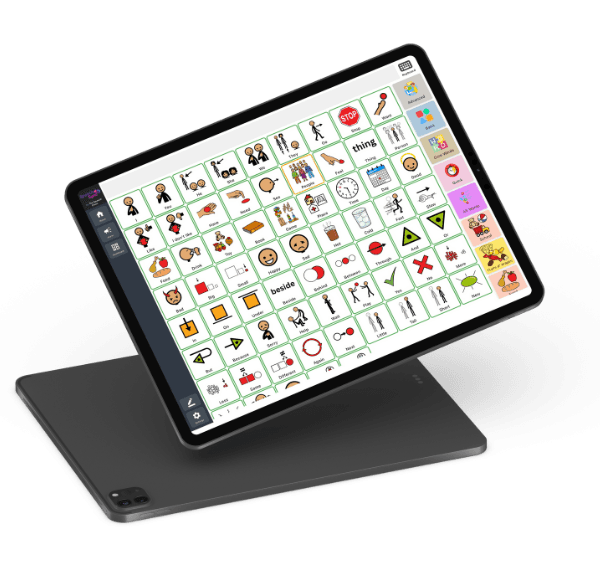
SpeechSync, the AAC app developed by The Speech Clinic, lets you organise words into customizable folders. Set up a holiday folder before you leave with the airport, the plane, family names and favourite foods, and keep the device charged.
Explore SpeechSync AACStaying in Dubai? Is a winter intensive right for your child?
It can be, if your child has a clear goal and the energy for daily sessions. The clinic's 2 to 3 week Short-Term Boost programs are built for focused support in one area.
What an intensive includes
- Comprehensive initial assessment
- Daily one-on-one sessions in speech, OT, physio or ABA as needed
- Individual goals with weekly reviews
- Family training and a home carryover plan
- Mid-program and final progress reports
It may suit your child if
- there is one focused goal, such as apraxia, feeding or handwriting
- your family is in Dubai for at least two weeks of the break
- you are visiting from another emirate or country for the holidays
A lighter plan may be better if
- your child is tired after a long term and needs rest
- the holiday is already full of travel and new places
Read more about the intensive therapy programs at our Dubai Healthcare City clinic, then call the clinic with your dates to check availability.
What if your child seems to slip after the break?
Tell your child's therapist what changed over the holidays and give the usual routine a little time to return before judging progress.
New places, late nights and missed sessions can make a familiar skill look harder for a while. Note what you saw, when it happened and what helped. If something still looks harder after your child is back in their routine, ask for a review. Our article on what real progress looks like in pediatric therapy explains how therapists track change over time.
For children starting school or moving up a year in January, our school readiness program can help with routines, attention and early classroom skills.